Breaking the Cycle, Bridging the Gaps: Reflections from the Survivors Of aBuse 10-Year Milestone & Impact Event
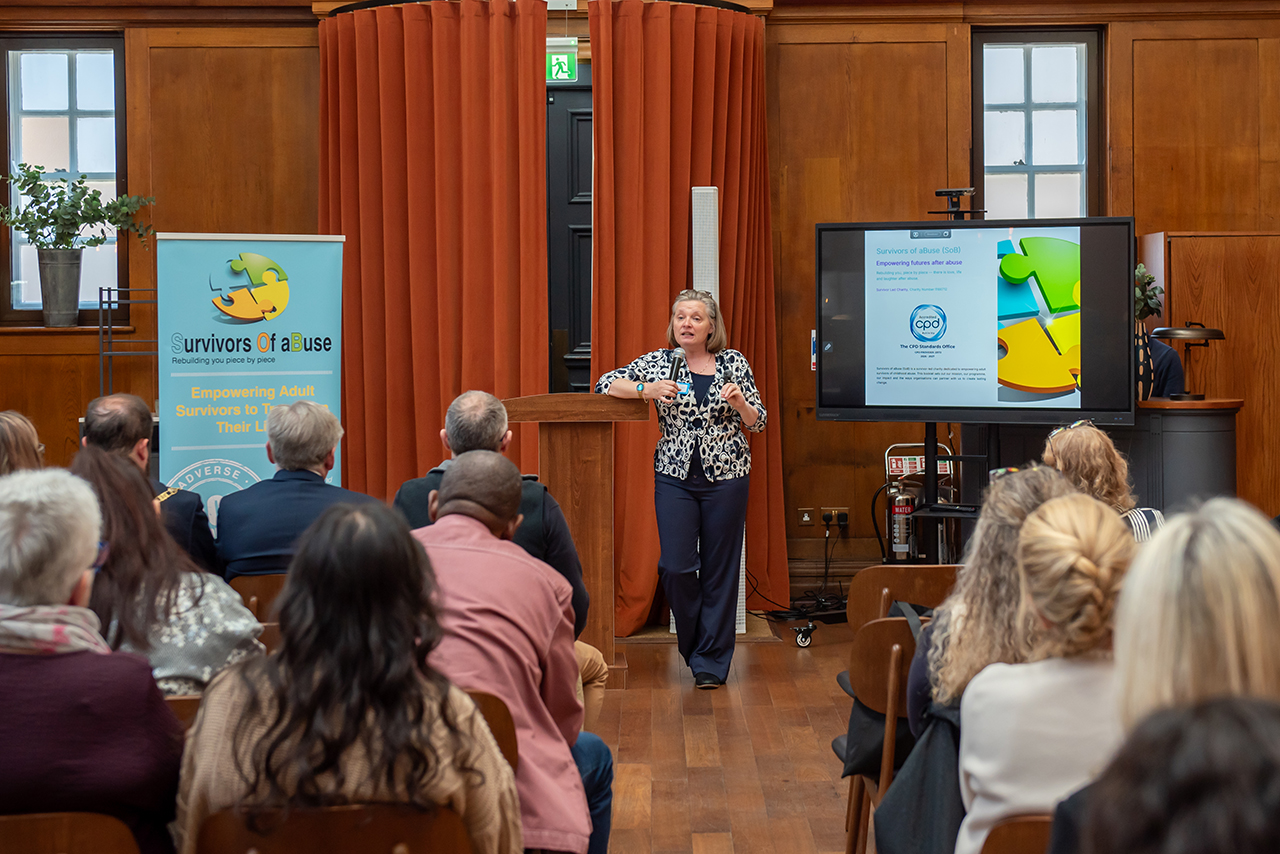
On Wednesday 22 April 2026, Survivors Of aBuse held its 10-Year Milestone & Impact Event at Bromley Old Town Hall, bringing together survivor voices, civic leadership, national policy voices, research, practice, safeguarding, health, education, policing, the voluntary sector and community partners.
The event marked ten years since Survivors Of aBuse was founded, and almost a decade of delivering the Breaking the Cycle™ programme: an accredited, trauma-informed, psychoeducational, whole-person programme supporting survivors to understand and begin rebuilding from the wider impact of abuse.
But this event was never intended to be simply a celebration.
It was a moment to pause, reflect, and look more closely at what remains hidden.
It was about abuse that does not sit neatly within one service, one pathway, one diagnosis, or one stage of life. It was about the long-term impact of abuse across health, mental health, confidence, relationships, education, work, safety, parenting, identity and daily life.
It was also about one of the most hidden groups of all: survivors whose abuse happened within the family home environment.
For many survivors, the impact of abuse does not end when the abuse stops. It continues across the life course, often showing up in multiple systems and services while the underlying trauma remains unseen or unaddressed.
People may be known to services, but not fully understood. Supported in fragments, but not as a whole person. Referred between pathways, but still left carrying the same hidden harm.
That was the heart of the event:
How do we better recognise, respond to and support survivors across the whole of their lives?
Opening the room: civic and national context
The event opened with a civic welcome from the Mayor of Bromley, recognising the importance of community organisations and the role local leadership can play in shining a light on hidden harm, survivor support and the wider impact of abuse across communities.
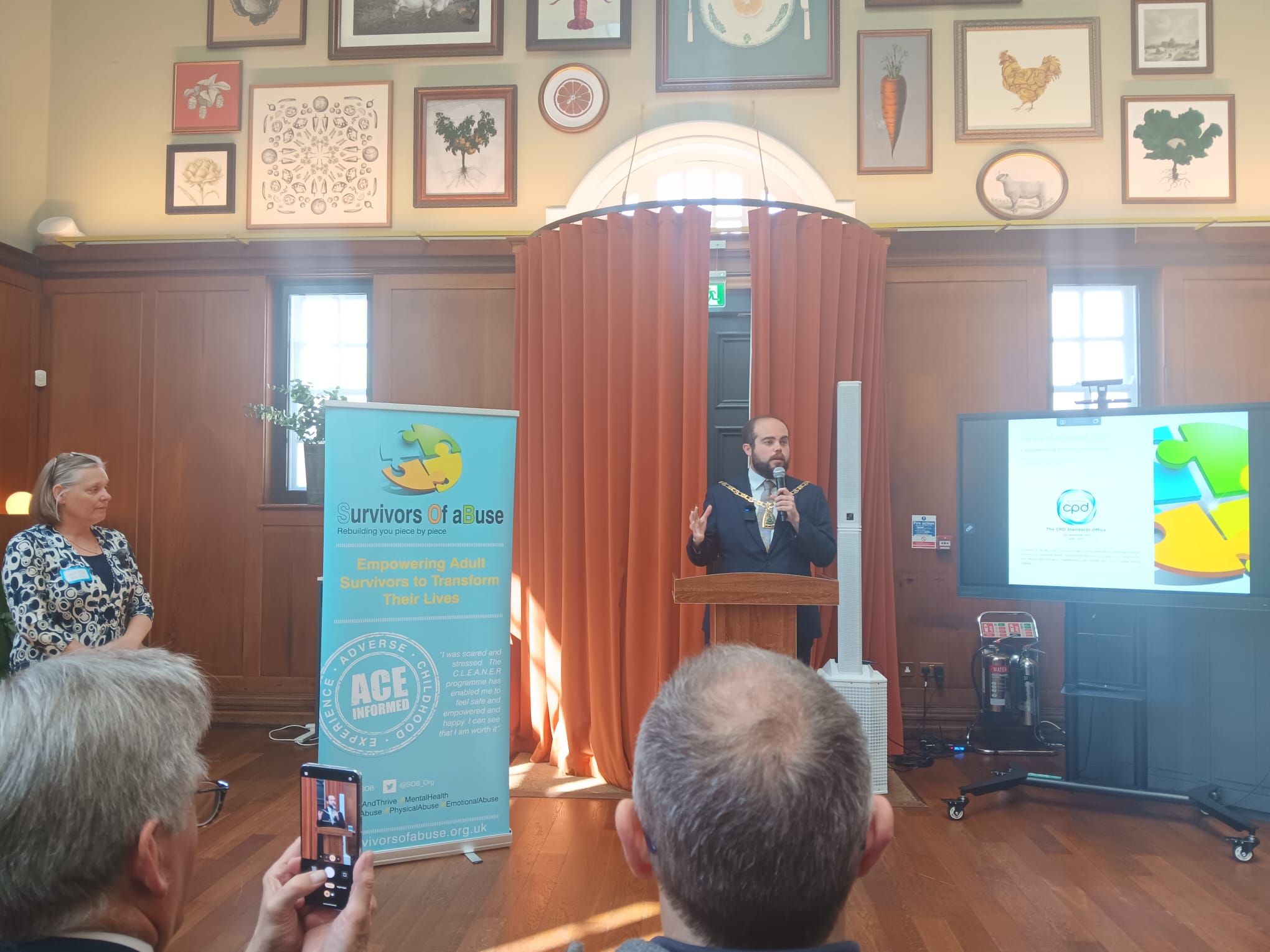
Watch: Mayor of Bromley – Civic Welcome https://youtu.be/SJJ1I63No8g?si=36rYbYrfra1CmLm0
This was followed by Peter Fortune MP, who offered a local perspective on partnership working and the importance of recognising the long-term impact of abuse across communities.
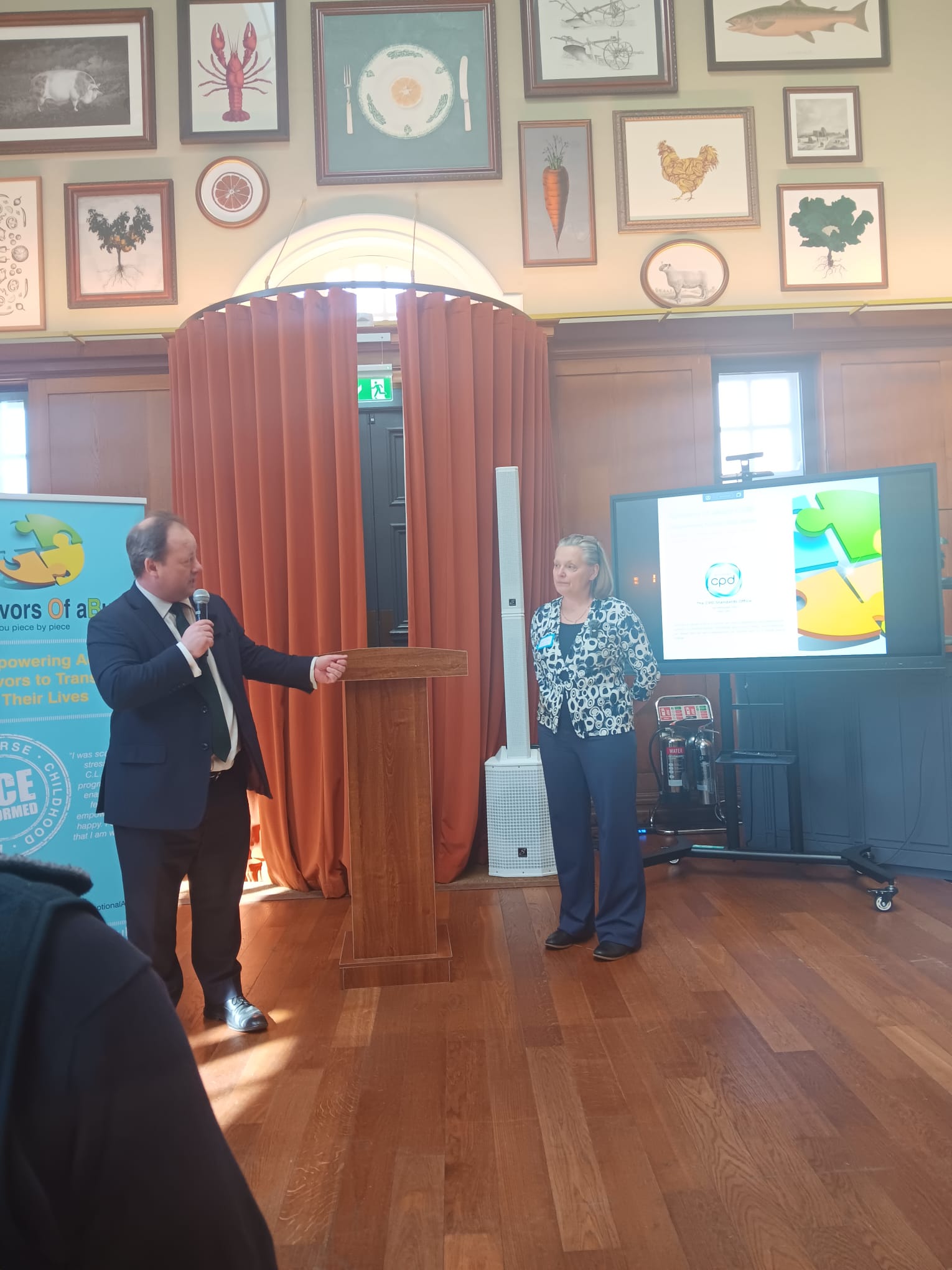
Watch: Peter Fortune MP – Local Perspective and Partnership Working https://youtu.be/kTbOQYhYQUU?si=gAaGlvr_7b0XHLlu
The national context was then strengthened through video messages from Claire Waxman OBE, Victims’ Commissioner for England and Wales, and Sarah Champion MP.
Claire Waxman’s message reinforced the importance of listening to victims and survivors, and ensuring their voices help shape policy, practice and long-term change. Her contribution placed the work of Survivors Of aBuse within the wider national conversation about victim and survivor support.
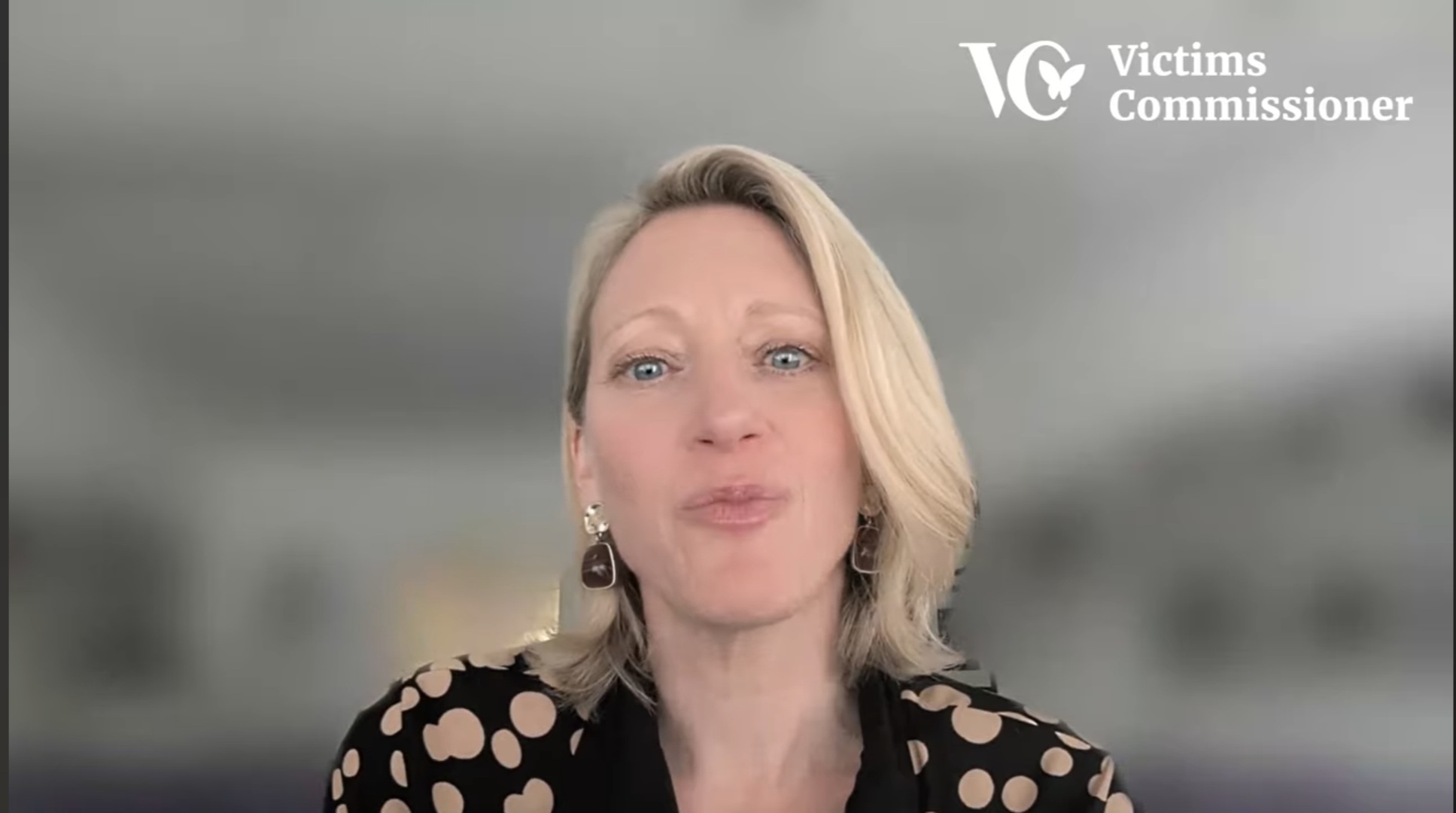
Watch: Claire Waxman OBE – Victims’ Commissioner for England and Wales https://youtu.be/LiRFUPZPNXw?si=hFWOH-bTifIEyO6j
Sarah Champion MP brought national context to the event, drawing on her long-standing work around child sexual abuse, exploitation, Rotherham and the importance of learning from IICSA. Her contribution reinforced the need for survivor voice to be heard not only in personal recovery, but in policy, practice and system change.
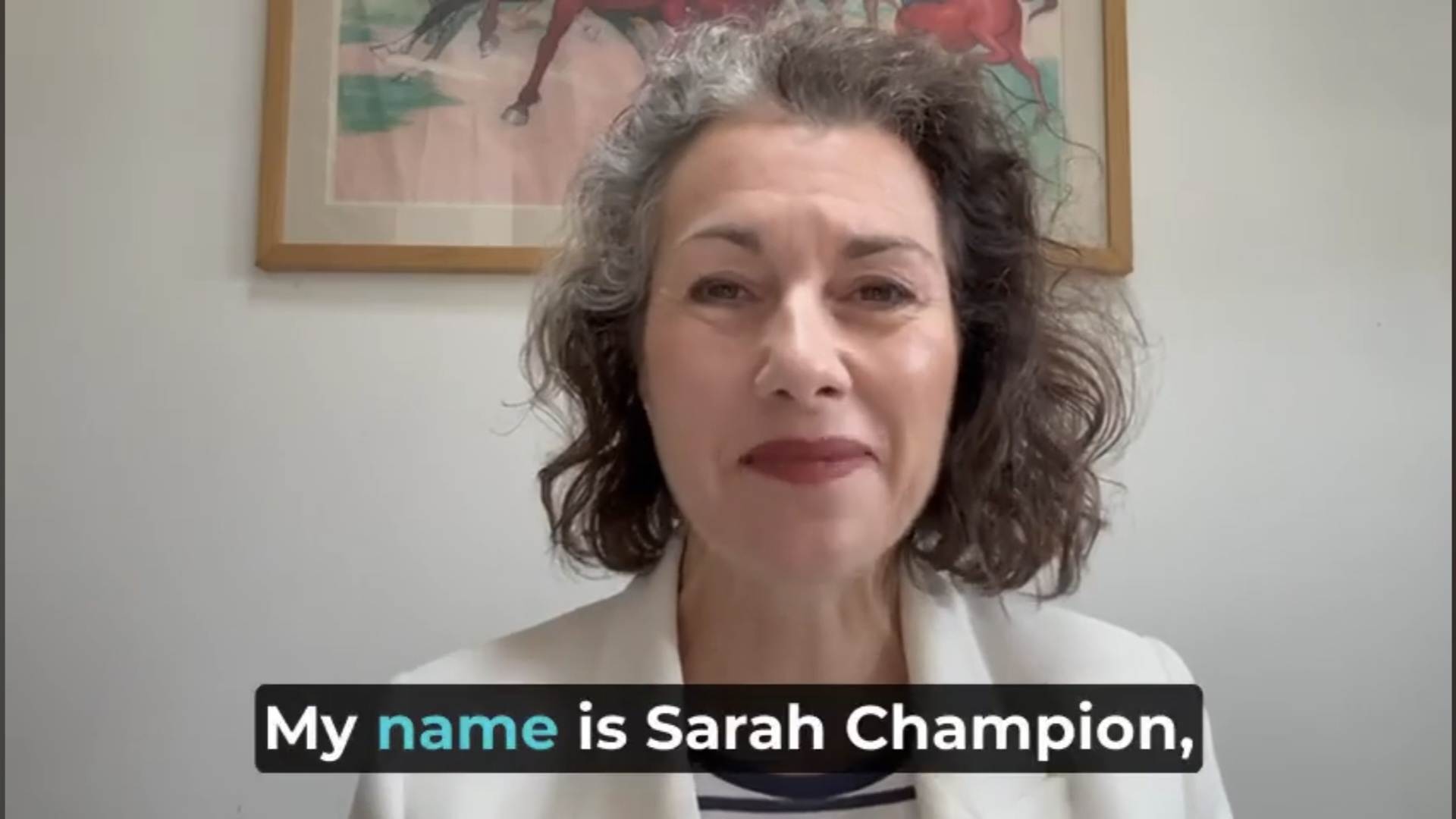
Watch: Sarah Champion MP – National Child Sexual Abuse Context https://youtu.be/AA5_KgmL5ZY?si=PzEPYMVTe3HCPFSc
Together, these opening contributions framed the morning as both a local and national issue. Abuse happens in families, institutions,
communities, online spaces and relationships of trust. The response cannot sit in one silo either.
Understanding the landscape of abuse – the full picture.
The first main section of the event explored the wider landscape of abuse and the reality that survivors do not fit one stereotype.
Abuse can happen within families, institutions, communities, online environments and trusted relationships. Survivors come from every background, ethnicity, class, community, profession and walk of life. Some are visible to services. Many are not.
A central theme was the iceberg effect: the gap between the abuse that is known to authorities and the far larger hidden population of survivors who remain unseen, unheard or unsupported.
This is especially important when we talk about child sexual abuse within the family environment. For many survivors, the person causing harm was not a stranger. They may have been a parent, relative, sibling, family friend or someone with trusted access to the child.
This creates layers of silence, fear, loyalty, confusion, dependency and shame that can make disclosure incredibly difficult.
This is the group Survivors Of aBuse continues to describe as a forgotten group: survivors whose trauma began in the home, but whose needs may continue across childhood, adolescence and adulthood.
As CEO and Founder, Chris Tuck shared the wider context behind Survivors Of aBuse, the charity’s 10-year journey, and the development of the Breaking the Cycle™ programme.
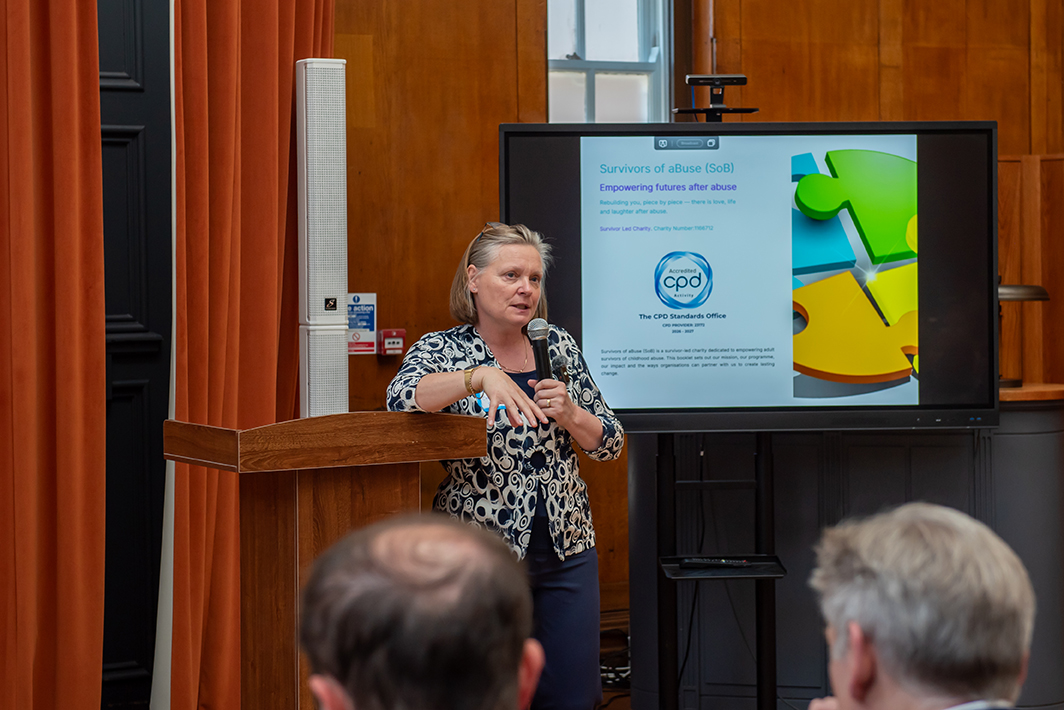
Watch: Chris Tuck – CEO & Founder of Survivors Of aBuse
https://youtu.be/xm1qV6UuE5Y?si=T9xxMlGQlBVS0yYd
Chris also shared further reflections on the event and the need to recognise hidden survivors, whole-person recovery and the next stage of the charity’s work.
Watch: Chris Tuck – Reflections
https://youtu.be/DGwXzgAfeco?si=szIGvbwK0O0sUACZ
Survivor voices: the impact across a lifetime
One of the most powerful parts of the event was the survivor voice section. It is easy for discussions about abuse to become wrapped in policy language, service pathways and professional terminology. All necessary, yes. But also very good at making humans sound like filing cabinets with pulse rates. The survivor voice section brought the room back to the reality behind the systems.
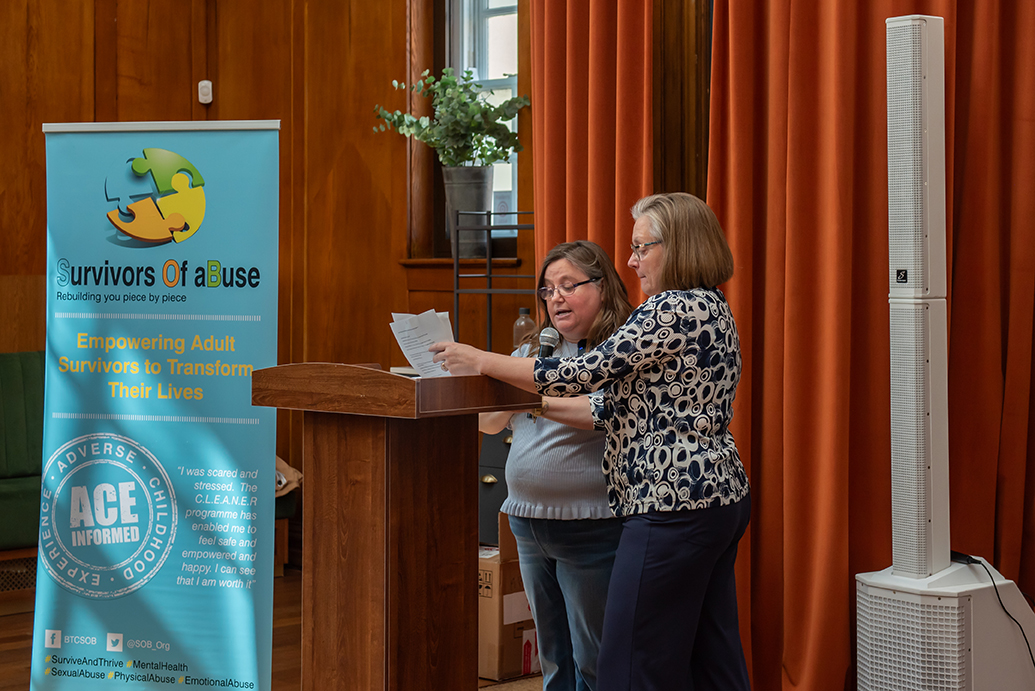
Diane Ginn shared a deeply personal reflection on the long-term impact of abuse and the importance of support that recognises survivors as whole people, not simply as a case, a referral or a set of symptoms.
Watch: Diane Ginn – Survivor Voice and Long-Term Impact
https://youtu.be/Y5Q77C-hy5Q?si=dwNGaDOMzCUlt1xN
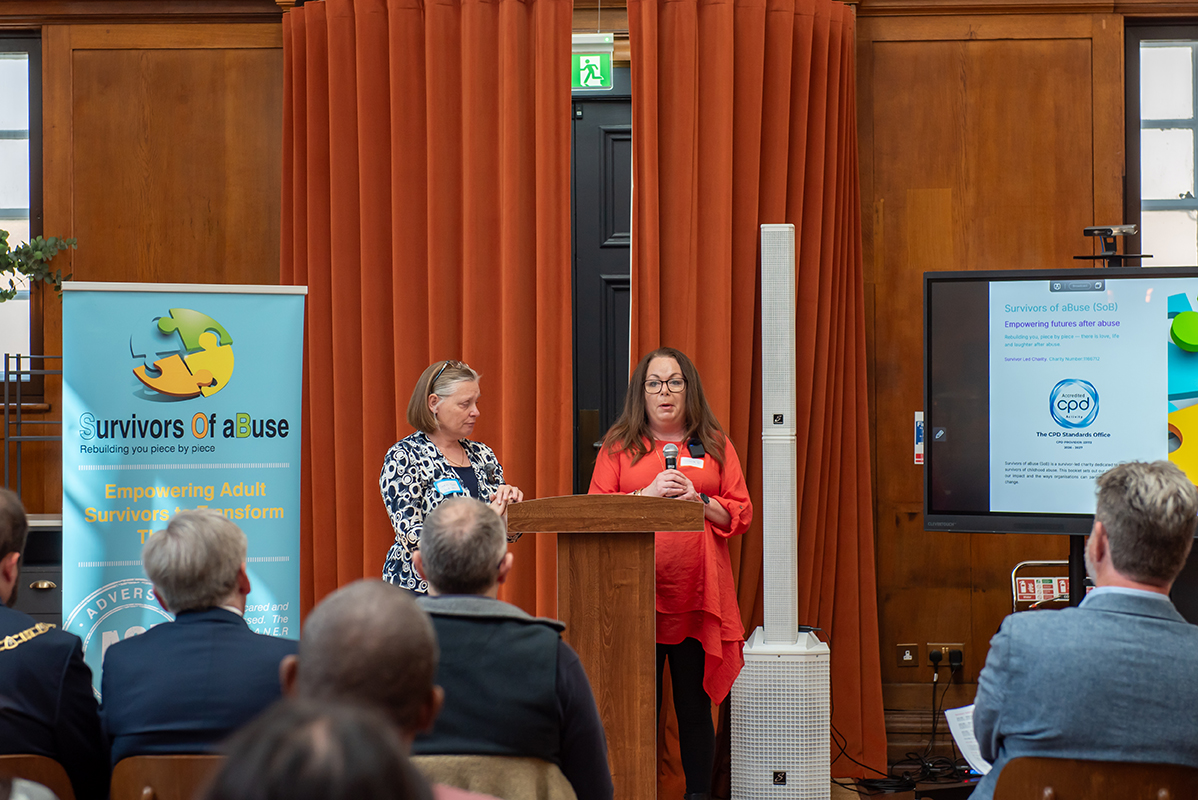
Sarah Brannigan reflected on her experience as a participant on the Breaking the Cycle™ programme and the difference that structured, trauma-informed, whole-person support can make. Her contribution showed why survivors need support that goes beyond crisis response and recognises the wider impact of abuse on confidence, identity, health, relationships and everyday life.
Watch: Sarah Brannigan – Survivor Voice and Breaking the Cycle™ Reflection
https://youtu.be/hlmQfe1IdVg?si=hiA8DMGUPr07qwNE
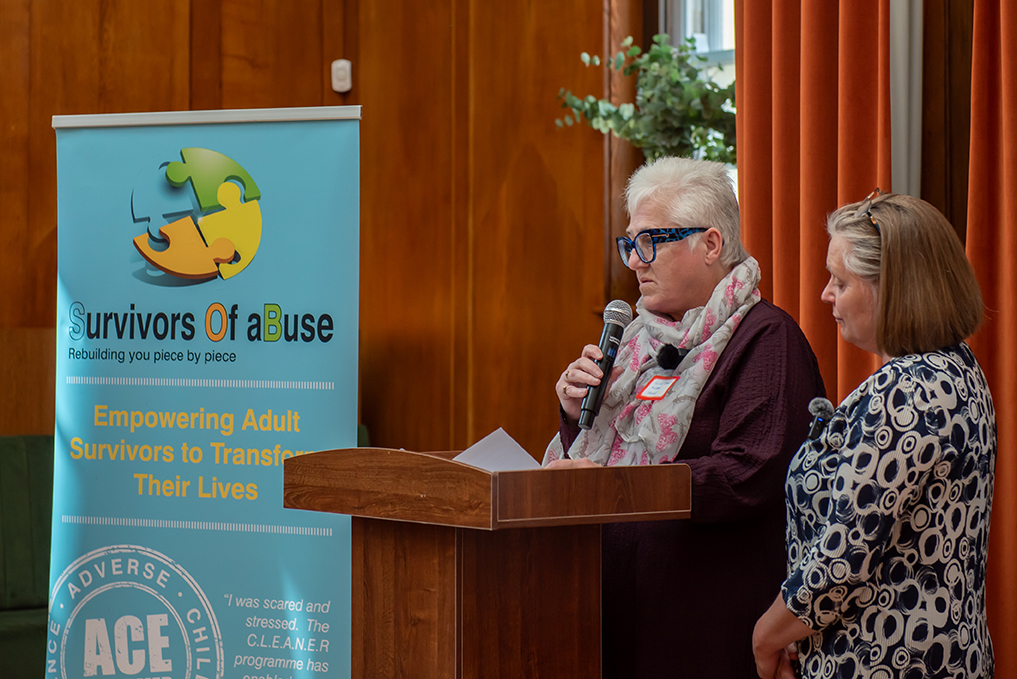
Pauline Sharp, Trustee of Survivors Of aBuse, shared her perspective as both a survivor voice and trustee. Her contribution reflected the journey from receiving support to helping shape and strengthen survivor-led work for others, showing the long-term ripple effect of safe, trauma-informed support.
Watch: Pauline Sharp – Trustee & Survivor Voice
https://youtu.be/8dLw-dcvGXs?si=uiDGoB8YSExUcqHi
The survivor voices made clear that recovery is not simply about one moment of disclosure, one referral, one intervention or one course. Recovery is about rebuilding confidence, identity, health, relationships, boundaries, self-worth and hope over time.
Breaking the Cycle™: the gap Survivors Of aBuse helps to fill
A central message from the event was the important gap that Survivors Of aBuse helps to fill through the accredited 8-week Breaking the Cycle™ programme.
Since 2017, Survivors Of aBuse has delivered 15 Breaking the Cycle™ courses, supporting survivors to understand the wider impact of abuse on their mind, body, health, confidence and day-to-day life.
For many survivors, the impact of abuse shows up across multiple areas:
- mental health
- physical health
- confidence and self-worth
- relationships and boundaries
- parenting and family life
- work and education
- financial stability
- safety
- identity
- emotional regulation
- trust
- daily functioning
Yet support is often fragmented. One service may respond to mental health. Another may respond to physical symptoms. Another may deal with safeguarding. Another may offer counselling. Another may see the person when they are in crisis.
Each part may matter. But the whole person can still be missed.
Breaking the Cycle™ is designed to sit alongside existing provision, not replace it. It offers a structured, trauma-informed, psychoeducational approach that helps survivors understand the impact of abuse and begin rebuilding across mind, body and future.
Watch: Chris Tuck – Credibility & the power of validation. https://youtu.be/Zb-N8XUFoKo?si=0qQlmATksM6qJzMs
Watch: Survivors Of aBuse – 8-Week Breaking the Cycle™ Course
https://youtu.be/aqjwhQqtIoU?si=JfGNR95vtaB-tMWl
The programme is part of a wider pathway that includes ongoing alumni support, peer connection and continued learning. This is our USP.
Research, policy and collaboration
The event then moved into the wider system conversation: research, policy and collaboration.
This section explored what needs to change beyond individual recovery. It asked how survivor voice can shape systems, research, professional practice and service design from the beginning, not as an afterthought.
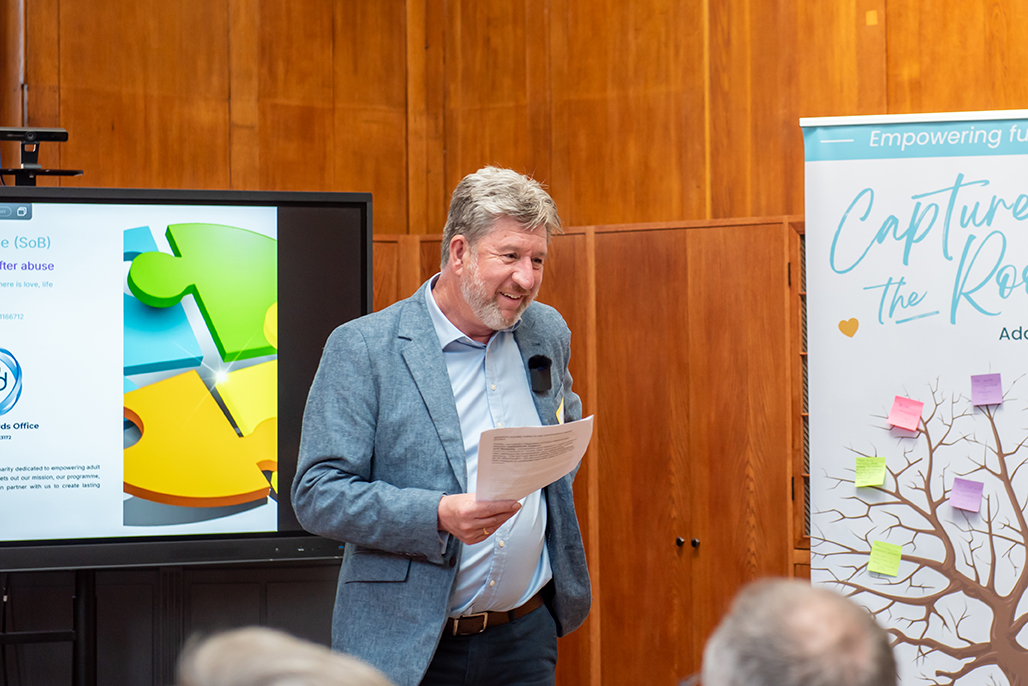
Simon Bailey CBE QPM DL, representing IPPPRI / Anglia Ruskin University, spoke about the importance of survivor voice in shaping research, policy and practice. His contribution reinforced one of the central themes of the event: survivor-informed work should not be added at the end of system design. It should be built in from the beginning.
Watch: Simon Bailey CBE QPM DL – Research, Policy & Collaboration https://youtu.be/Ukd3rYiaHCY?si=YboyAzZuJ3r0Zob7
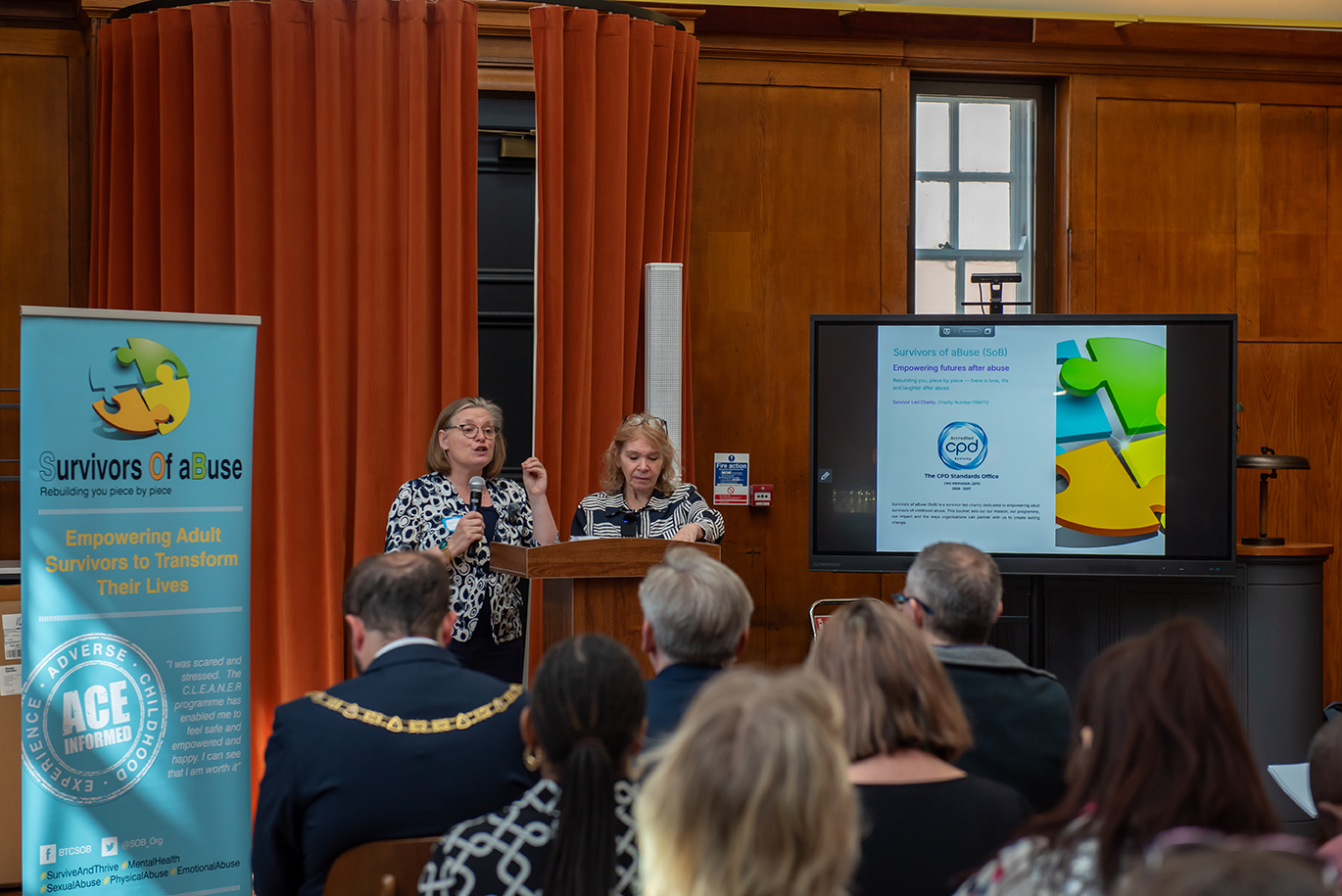
Fay Maxted, CEO of The Survivors Trust, joined Chris Tuck to reflect on the wider survivor-sector landscape and the importance of collaboration between specialist organisations, survivor-led provision, statutory services, researchers and funders.
Their contribution reinforced a central theme of the event: survivors need joined-up, trauma-informed support that recognises the long-term impact of abuse, not fragmented responses that leave people navigating systems alone.
Watch: Fay Maxted & Chris Tuck – Survivor Sector Perspective and Collaboration
https://youtu.be/pbBq59TOc4A?si=YAOVc2VqcDDYPy-a
This section was not just about research in the academic sense. It was about the responsibility to make learning useful, practical and rooted in the realities survivors live with every day.
Survivor voice should inform:
- research questions
- service design
- professional training
- referral pathways
- evaluation
- funding priorities
- policy development
- public understanding
The event highlighted the need for stronger collaboration between survivor-led organisations, statutory systems, academia, policy makers, funders and community partners.
Trustee perspectives: why governance and safety matter
The trustee perspectives brought another important layer to the event.
Survivor-led work is often spoken about in terms of passion, lived experience and commitment. Those things matter. But for survivor-led organisations to be safe, sustainable and credible, they also need governance, accountability, safeguarding, operational structure and trusted leadership.
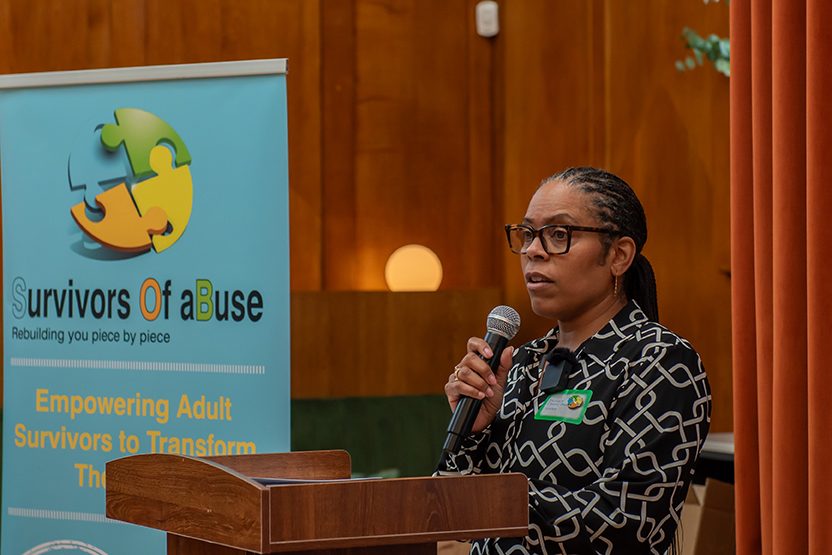
Michelle Denny Browne, Trustee of Survivors Of aBuse, reflected on the importance of strong governance, trauma-informed practice and standing behind survivor-led work with integrity and care.
Watch: Michelle Denny Browne – Trustee Perspective
https://youtu.be/WLiIYMLfcUU?si=s55o92UESN-oMwwp
Her contribution highlighted why Survivors Of aBuse needs not only lived experience and specialist knowledge, but also the structure and support needed to carry the work safely into the future.
Trustees play an essential role in helping the charity remain accountable, sustainable and focused on its purpose. That matters particularly in trauma-informed work, where safety is not just a value printed in a document. It is something that has to be lived in the way the organisation operates.
Inspirational perspectives: care, resilience and advocacy
The inspirational perspectives section widened the lens again, connecting the work of Survivors Of aBuse with wider conversations around vulnerable children, care experience, advocacy, public voice and resilience.
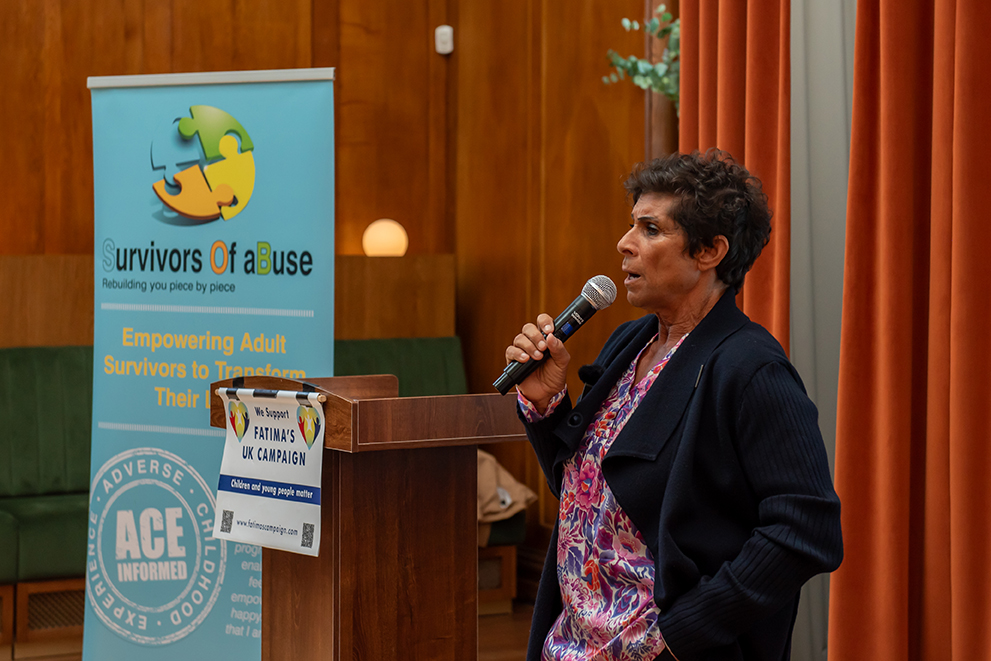
Fatima Whitbread and Gina Gardiner reflected on resilience, advocacy and the importance of creating spaces where people who have experienced adversity are heard, valued and supported.
Watch: Fatima Whitbread & Gina Gardiner – Inspirational Perspective https://youtu.be/sMb3GNjORZY?si=8yJZcEYro1noDFVN
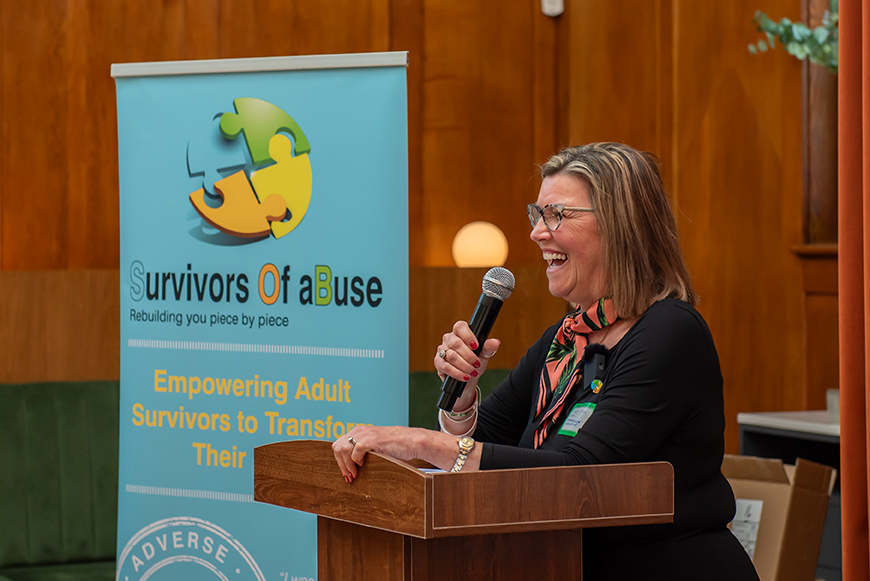
Beverley Ann Fenlon, Ambassador for Survivors Of aBuse, shared her reflections on hope, connection and survivor-informed support. Her contribution reinforced the message that recovery is not simply about surviving what happened. It is about being supported to rebuild confidence, identity, community and future.
Watch: Beverley Ann Fenlon – Ambassador Perspective
https://youtu.be/zTg_GzrHdRo?si=gzar2_RW8eNat8z3
This part of the event was important because hope can often be misunderstood. Hope is not pretending trauma has no impact. Hope is not a neat inspirational quote with a sunset behind it, thank heavens.
Hope is practical.
It is support. It is recognition. It is safe spaces. It is survivor voice being taken seriously. It is people with influence choosing to act.
Moving from awareness into responsibility
The event was not designed to leave people simply more aware.
Awareness matters, but awareness without action can become another comfortable resting place. A place where everyone agrees something is terrible and then quietly returns to their inbox. Humanity does love a strongly worded concern.
The audience discussion and wider conversations on the day moved the event from awareness into responsibility.
The key questions were:
- How do we open stronger referral pathways?
- How do we support survivors whose needs do not fit neatly into one service?
- How do we build collaboration between survivor-led organisations and statutory systems?
- How do we fund specialist support sustainably?
- How do we evaluate the impact of Breaking the Cycle™?
- How do we ensure survivor voice shapes research, practice and policy from the beginning?
- How do we reach the hidden survivors who are not currently accessing support?
Closing reflections: the next decade of Survivors Of aBuse
The event closed with reflections from Chris Tuck, bringing together the key themes from the morning: hidden survivors, the lifelong impact of abuse, the need for whole-person support, and the importance of collaboration, referrals, research, evaluation and sustainable funding.
Watch: Chris Tuck – Full Closing Address
https://youtu.be/JApAKwEgDyQ?si=A1fXS3_7i_7YEgtd
A shorter event round-up is also available here:
Watch: Chris Tuck – Credibility & the power of validation. https://youtu.be/Zb-N8XUFoKo?si=0qQlmATksM6qJzMs
The closing message was clear: Survivors Of aBuse has spent ten years building, delivering and refining support that helps survivors rebuild their lives piece by piece.
The next stage is about strengthening that work through:
Collaboration, referral pathways, funding, research, evaluation, policy, influence, programme delivery, sustainable partnerships.
The goal is not simply to continue. It is to grow the reach, evidence and impact of the work so more survivors can access support that recognises the whole person, the whole story and the long-term impact of abuse.
Capture the Room: reflections, ideas and next steps
At the end of the morning, attendees were invited to take part in the Capture the Room activity, sharing reflections, ideas, commitments and possible next steps.
This created space for the room to move from listening into response.
Watch: Capture the Room Activity – Reflections and Next Steps
https://youtu.be/XD1WeGrakjI?si=0d95UXQiwjPtMUsl
The reflections captured through this activity will help shape the next stage of conversations with partners, funders, researchers, services and community leaders.
This is where events become more than events. Not because the room looked nice, or the coffee existed, or everyone survived the microphone logistics. But because people left with a clearer sense that this work requires connection, responsibility and action.
Thank you
Survivors Of aBuse would like to thank everyone who contributed to the event, attended, spoke, volunteered, sponsored, filmed, shared, supported and helped make the morning possible.
Thank you to our speakers, trustees, ambassadors, survivor voices, partners and supporters who continue to believe in the need for trauma-informed, survivor-informed and whole-person support.
Thank you to those who brought civic, national, research, policy, practice and community perspectives into the room.
Thank you to those who shared lived experience with courage, clarity and purpose.
And thank you to everyone who continues to stand with Survivors Of aBuse as we move into the next decade of this work.
Watch the event clips
Mayor of Bromley – Civic Welcome
https://youtu.be/SJJ1I63No8g?si=36rYbYrfra1CmLm0
Peter Fortune MP – Local Perspective and Partnership Working
https://youtu.be/kTbOQYhYQUU?si=gAaGlvr_7b0XHLlu
Claire Waxman OBE – Victims’ Commissioner for England and Wales https://youtu.be/LiRFUPZPNXw?si=hFWOH-bTifIEyO6j
Sarah Champion MP – National Child Sexual Abuse Context
https://youtu.be/AA5_KgmL5ZY?si=PzEPYMVTe3HCPFSc
Chris Tuck – CEO & Founder of Survivors Of aBuse
https://youtu.be/xm1qV6UuE5Y?si=T9xxMlGQlBVS0yYd
Chris Tuck – Reflections https://youtu.be/DGwXzgAfeco?si=szIGvbwK0O0sUACZ
Survivors Of aBuse – 8-Week Breaking the Cycle™ Course
https://youtu.be/aqjwhQqtIoU?si=JfGNR95vtaB-tMWl
Diane Ginn – Survivor Voice and Long-Term Impact
https://youtu.be/Y5Q77C-hy5Q?si=dwNGaDOMzCUlt1xN
Sarah Brannigan – Survivor Voice and Breaking the Cycle™ Reflection https://youtu.be/hlmQfe1IdVg?si=hiA8DMGUPr07qwNE
Pauline Sharp – Trustee & Survivor Voice
https://youtu.be/8dLw-dcvGXs?si=uiDGoB8YSExUcqHi
Simon Bailey CBE QPM DL – Research, Policy & Collaboration
https://youtu.be/Ukd3rYiaHCY?si=YboyAzZuJ3r0Zob7
Fay Maxted & Chris Tuck – Survivor Sector Perspective and Collaboration https://youtu.be/pbBq59TOc4A?si=YAOVc2VqcDDYPy-a
Michelle Denny Browne – Trustee Perspective
https://youtu.be/WLiIYMLfcUU?si=s55o92UESN-oMwwp
Fatima Whitbread & Gina Gardiner – Inspirational Perspective
https://youtu.be/sMb3GNjORZY?si=8yJZcEYro1noDFVN
Beverley Ann Fenlon – Ambassador Perspective
https://youtu.be/zTg_GzrHdRo?si=gzar2_RW8eNat8z3
Chris Tuck – Credibility & Validation
https://youtu.be/Zb-N8XUFoKo?si=0qQlmATksM6qJzMs
Chris Tuck – Full Closing Address
https://youtu.be/JApAKwEgDyQ?si=A1fXS3_7i_7YEgtd
Capture the Room Activity – Reflections and Next Steps
https://youtu.be/XD1WeGrakjI?si=0d95UXQiwjPtMUsl
How to support the next decade of Survivors Of aBuse 1166712
As Survivors Of aBuse moves into its next decade, we are seeking partners, funders, referrers, researchers and community leaders who can help us reach more survivors and strengthen the evidence, sustainability and reach of our work.
We are particularly interested in conversations around:
- funding future Breaking the Cycle™ cohorts
- opening appropriate referral pathways
- supporting evaluation and research
- developing cross-sector partnerships
- strengthening workforce understanding of trauma
- reaching survivors who remain hidden
- building sustainable support beyond crisis response
To find out more about Survivors Of aBuse, the Breaking the Cycle™ programme, or how to support the charity, visit:
www.survivorsofabuse.org.uk
You can also view the digital event booklet here:
https://heyzine.com/flip-book/2df48a34bb.html#page/14
Thank you!
Chris Tuck FMAAT ACMA
CEO & Founder of Survivors Of aBuse.